
Why Even Good Resumes Still Don’t Get Interviews
Sometimes your resume is solid, ATS-friendly, and well-written, yet you still get ignored. This article explains the hidden factors like timing, competition, recruiter psychology, and signaling that silently kill good applications.
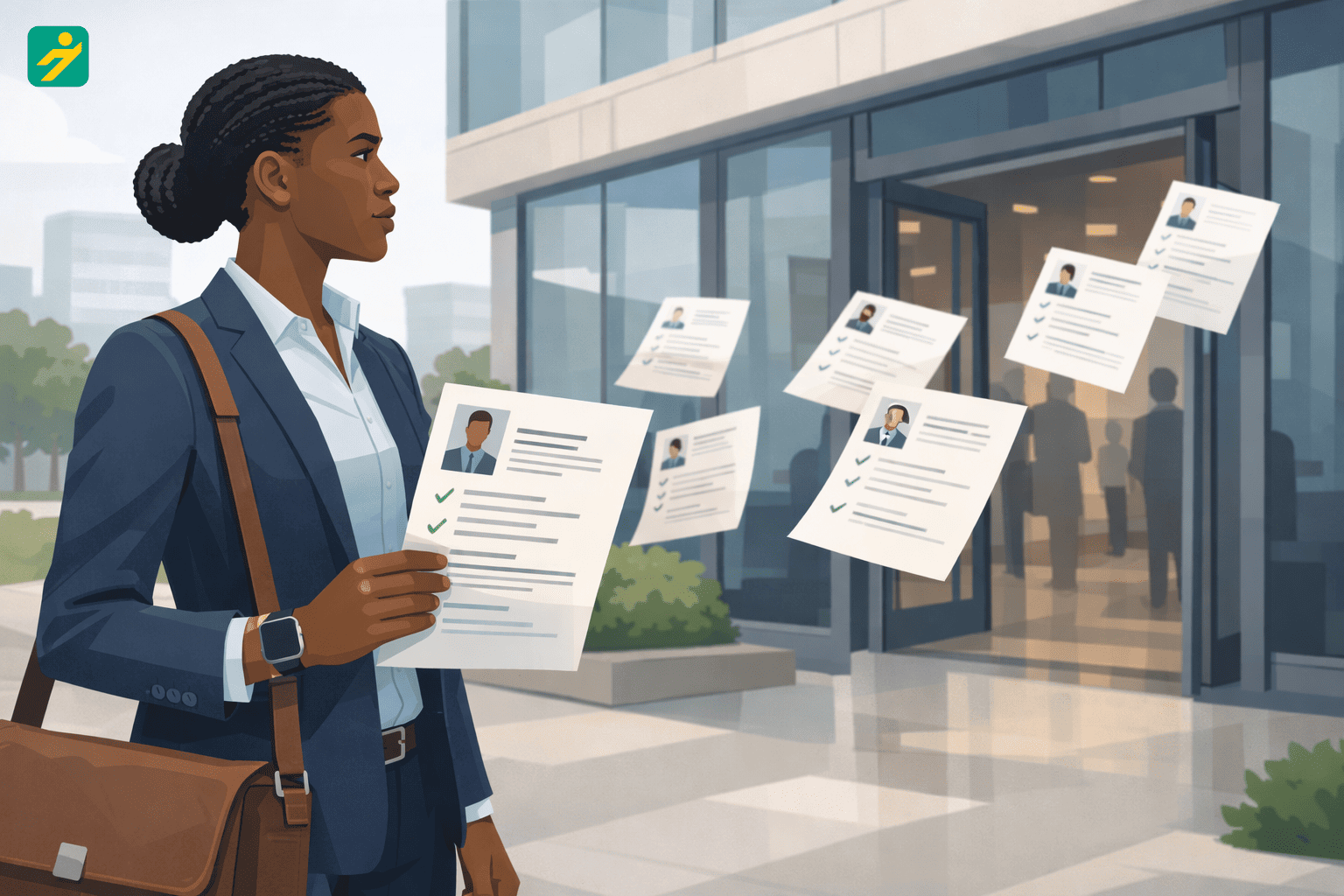
Why Interviews Fail Even After a “Perfect” Resume
Getting shortlisted feels like winning a small war.
Your resume passed the ATS.
A human saw it.
You got the email.
You got the interview.
And then… rejection.
For many job seekers, this is the most confusing stage. “If my resume was good enough, what went wrong?”
The truth is simple but uncomfortable:
A strong resume gets you into the room. Your interview performance decides whether you stay.
And most interview rejections come down to a few repeat mistakes, not lack of intelligence, not lack of experience, but lack of preparation and clarity.
Let’s break them down.
The First Five Minutes Decide Everything
Interviewers form an impression very fast, often within the first 3–5 minutes.
Before you even answer a technical question, they’re already assessing:
- How clearly you communicate
- Whether you understand your own experience
- Your confidence (not arrogance)
- How well you articulate value
- If you seem prepared or just “hoping for vibes”
Many candidates lose the interview right here.
Common early mistakes include:
- Rambling answers
- Overexplaining simple things
- Underexplaining important achievements
- Nervous filler (“uh”, “basically”, “so yeah…”)
- Not understanding your own CV
If you can’t confidently explain what’s on your resume, it raises a huge red flag.
You Talk About Tasks, Not Decisions
This is one of the biggest interview killers.
Interviewers don’t want to hear what you did, they want to hear how you think.
Bad answer:
“I worked on the backend and implemented APIs.”
Better answer:
“I designed REST APIs for user authentication, chose JWT over sessions because we needed stateless scaling, and optimized queries to reduce response time.”
The difference is decision-making.
Recruiters hire thinkers, not just executors.
You Don’t Know Your Own Impact
This one hurts because it’s avoidable.
Many candidates cannot answer questions like:
- What problem were you solving?
- What changed because you were there?
- What was hard about it?
- What would you do differently?
Saying “the project was successful” is not enough.
Success needs context:
- What was broken?
- What did you fix?
- What improved?
- What did you learn?
If you don’t know your own impact, the interviewer won’t assume it.
You Memorized Answers Instead of Understanding Concepts
Interviewers can tell.
The moment you freeze when a question is phrased slightly differently, it becomes obvious that you memorized answers instead of understanding the fundamentals.
This happens a lot with:
- Algorithms
- System design
- Behavioral questions
- “Why did you choose X instead of Y?”
Memorization fails under pressure. Understanding adapts.
You don’t need to know everything, but you must understand what you claim to know.
Behavioral Questions Are Not “Soft” Questions
Many candidates underestimate behavioral questions.
Questions like:
- “Tell me about a conflict you handled.”
- “Describe a time you failed.”
- “How do you handle feedback?”
- “What’s a mistake you made recently?”
These are not filler questions.
They’re used to assess:
- Emotional intelligence
- Accountability
- Growth mindset
- Team compatibility
- Self-awareness
Saying “I’ve never failed” or “I’ve never had conflict” is usually an instant red flag.
Everyone fails. Everyone struggles. What matters is how you reflect and grow.
You Didn’t Research the Company Properly
This is more common than people admit.
Interviewers expect you to know:
- What the company does
- Who their users are
- What problem they solve
- Why you want this role, not just a role
Saying “I’m passionate about growth” without context sounds generic.
Preparation signals respect.
You Don’t Ask Good Questions
When the interviewer asks:
“Do you have any questions for us?”
And you respond with:
“No, I think everything was covered.”
That’s a missed opportunity.
Good questions show:
- Curiosity
- Strategic thinking
- Long-term interest
- Confidence
Bad or no questions signal passivity.
The Real Reason Interviews Fail
Here’s the uncomfortable truth:
Most interview failures happen because candidates don’t tell their story well.
They have the skills.
They did the work.
They earned the experience.
But they don’t communicate it clearly.
Interviews are not exams.
They’re conversations with structure.
And clarity wins conversations.
How Kazikit Helps Beyond the Resume
Kazikit isn’t just about getting you past ATS.
It’s about helping you:
- Understand your own experience
- Translate work into impact
- Identify gaps in your story
- Prepare confidently for interviews
- Align your resume, portfolio, and answers
Because getting shortlisted is only half the battle.
Final Thoughts: Interviews Are a Skill, Not a Personality Trait
Some people aren’t “naturally good” at interviews.
They’re prepared.
They reflect on their work.
They understand their decisions.
They practice explaining impact.
They research.
They ask better questions.
And most importantly, they don’t see rejection as a verdict on their worth.
If you’re failing interviews, it doesn’t mean you’re not good enough.
It means your story needs structure.
And structure can be learned.
Related Posts
Related Posts

How to Negotiate Salary Without Sounding Desperate or Arrogant
Salary talks feel risky, but they do not have to. Learn a simple, practical approach to negotiating your offer without coming across as desperate or arrogant.

Why Most Resumes Fail, And How Context Changes Everything
Most resumes don’t fail because of lack of talent; they fail because they lack context. Discover why generic resumes get ignored, where applicants go wrong, and how Kazikit’s new Context feature helps you tailor your resume and cover letter intelligently for every role.

How to Answer Interview Questions Like a Senior, Even If You’re Not One Yet
Interviewers don’t just listen for correct answers, they listen for how you think. Learn how to structure your responses like a senior professional, even if you’re still early in your career.